Inset vs overlay cabinets.
The one construction decision that changes how a kitchen looks, costs, and ages. Written from twenty years of building both — and hand-fitting the doors that make inset cabinetry worth the price.
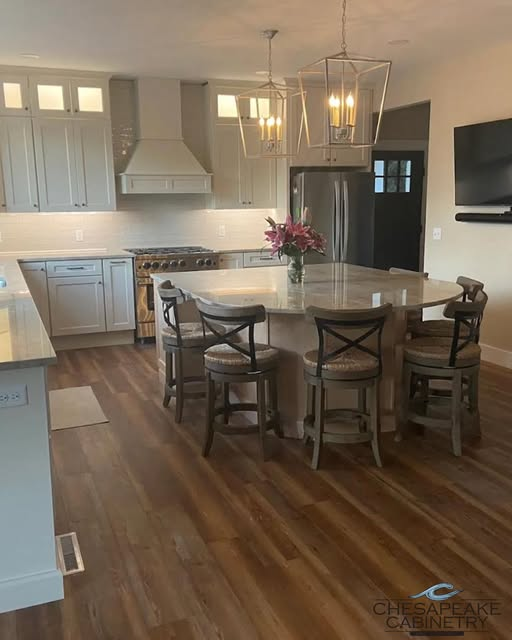
What the two actually are.
Inset doors and drawer fronts sit flush inside the face frame — the frame is visible around every opening, and each door has a consistent hairline reveal on all four sides. It's how furniture is built and how pre-war kitchens were built.
Overlay doors sit on top of the face frame (or the box, on frameless cabinets), covering most or all of it. Full overlay reads as clean rectangles across a run; partial overlay leaves a strip of frame showing between doors.
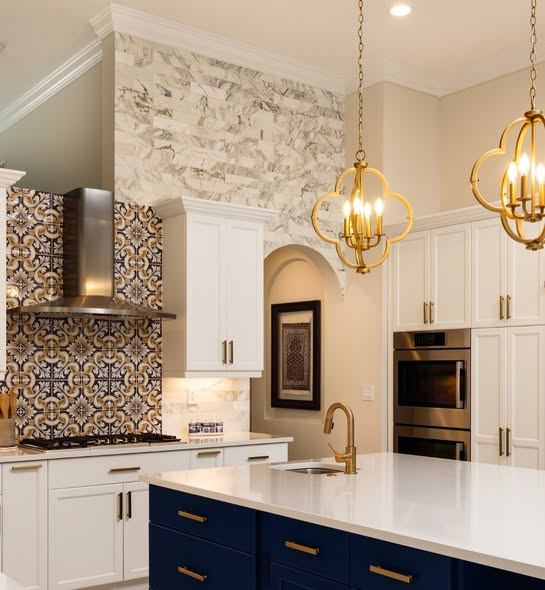
How they differ, honestly.
Aesthetics
Inset reads like furniture — flush, gridded, quiet. Overlay reads like modern kitchen cabinetry — big slabs of door with almost no frame showing. Pick the one that matches the room, not the trend.
Cost
Inset runs roughly 15–30% more than a comparable full-overlay kitchen. Every door gets hand-fit to a consistent reveal on all four sides; the face frames themselves are built to tighter tolerances. It's the labor, not the material.
Durability
Both hold up for decades. Inset is more sensitive to seasonal humidity — a door that fits perfectly in July can bind in January. Quarter-sawn stiles and a shop that understands wood movement are the fix; overlay just hides the movement behind the door.
Maintenance
Inset expects an occasional hinge adjustment as the house breathes with the seasons — a five-minute job once or twice a year. Overlay is largely set-and-forget. Neither is high-maintenance in the ordinary sense.
Storage
Overlay gives you a wider opening — the door covers the frame, so the drawer or shelf behind it can be the full inside width of the box. Inset costs you roughly an inch of opening on a typical base cabinet. Matters for sheet pans; negligible otherwise.
Hardware
Inset traditionally uses butt hinges or surface-mounted knife hinges — visible, jewelry-like. Overlay uses concealed European hinges hidden behind the door. Both can take modern soft-close mechanisms.
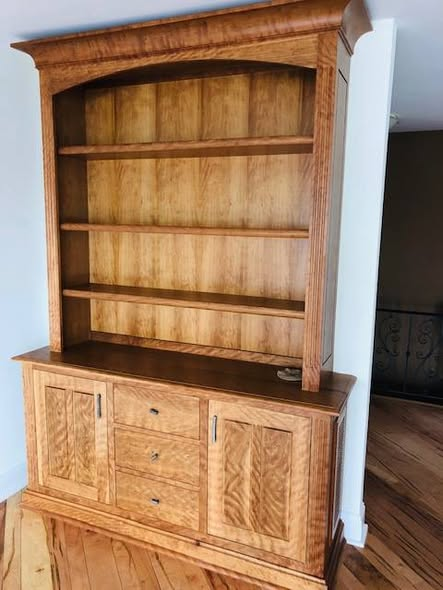
Where the craftsmanship lives.
A hand-fit inset door is the closest a kitchen gets to fine furniture. You cut the door slightly proud of the opening, then plane and shave each edge until the reveal is dead-even on all four sides and the door swings clean without a scrape. On a 30-cabinet kitchen that's an afternoon per door.
It's also why factory inset never looks quite right — the reveals wander, or the shop leaves them wide to be safe. Look at a real inset kitchen and a factory one side by side; the eye picks up the difference in a second, even if you couldn't say why.
Which should you choose?
Choose inset if you want a traditional, Shaker, English, or furniture-grade kitchen; if the cabinetry will be a visible design element rather than background; or if you're restoring or matching a pre-war house.
Choose overlay if you want a modern kitchen with clean slab or minimal Shaker doors; if maximizing storage inside every opening matters; or if the budget needs the money to go into stone, appliances, or square footage instead of door-fitting labor.
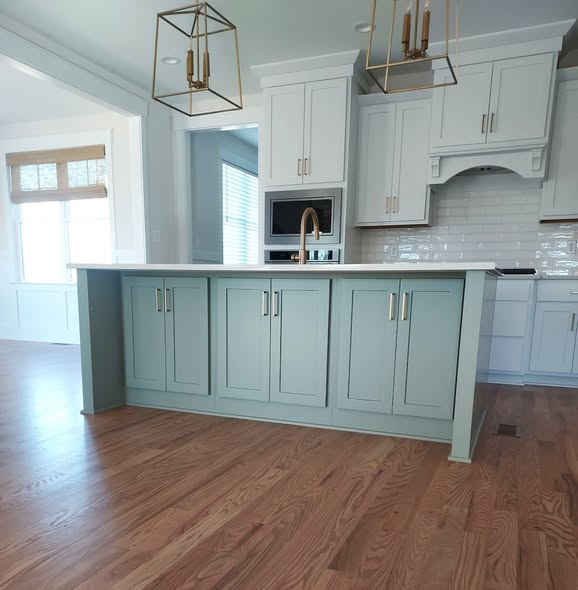
Planning a kitchen?
Send dimensions or a rough sketch and Mike will talk through inset vs overlay, door style, wood, and what will hold up for the way you actually cook.